Tax Incentives for Industrial Support Products in the Footwear Industry
Vietnam's footwear industry has seen significant growth in recent years. According to statistics, the export turnover of footwear from Vietnam in 2022 is estimated to reach over $25 billion, representing an almost 10% increase compared to 2021. This makes it the second-largest export industry in Vietnam, only after the textile and garment sector. However, the Vietnamese footwear industry still relies heavily on imported raw materials, especially industrial support products. Therefore, tax incentives for certain essential items within the industrial support product category are expected to drive the development of this sector in the near future.
1. Overview of Vietnam's Footwear Market
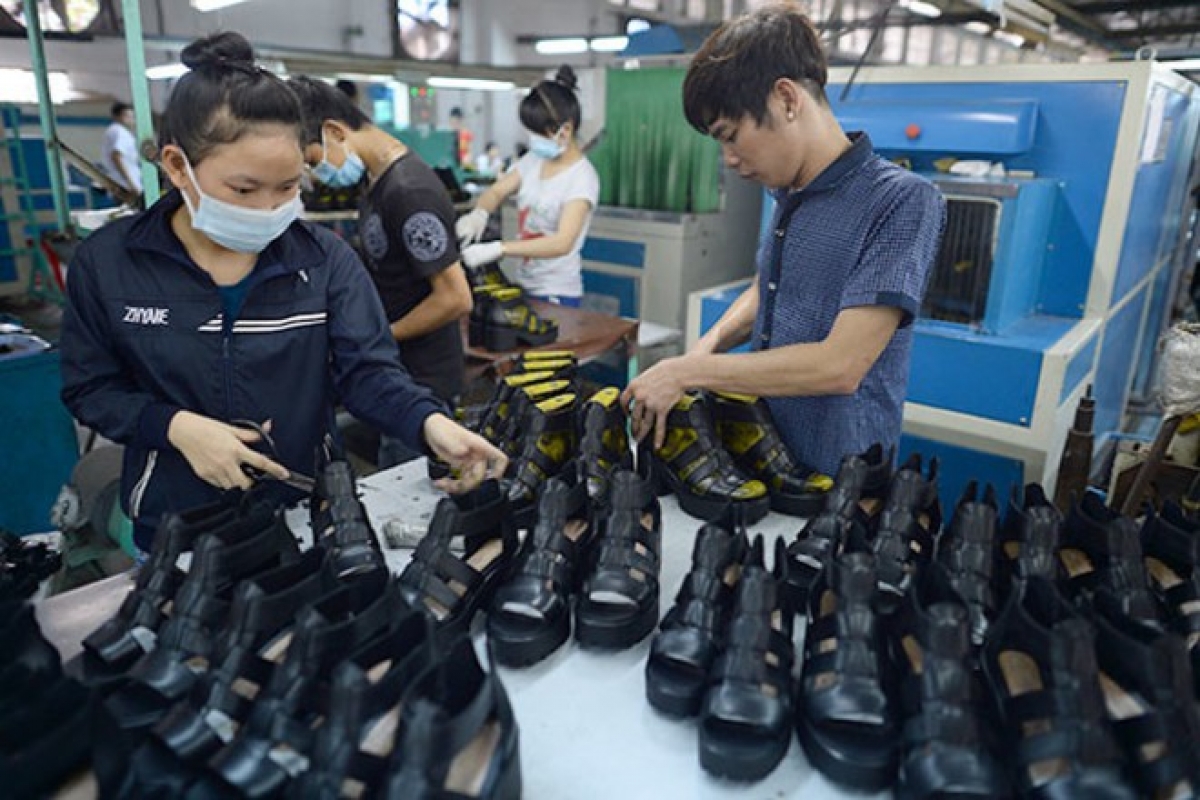
Vietnam's footwear industry has experienced remarkable growth over the past decade. Export turnover has increased from $5 billion in 2012 to nearly $25 billion in 2022. The main export markets for Vietnam are the United States, Europe, Japan, and South Korea.
The key factors contributing to the development of Vietnam's footwear industry include:
- Favorable geographical location: Vietnam is located in Southeast Asia, making it one of the world's major production and export hubs. This provides easy access to major consumer markets such as the United States, Europe, Japan, and South Korea.
- Low production costs: Labor and raw material costs in Vietnam are lower than in many other countries in the region, providing a significant competitive advantage for the footwear industry.
- Government support policies: The Vietnamese government has implemented various policies to support the development of the footwear industry, including investment incentives, training programs, and trade promotion activities.
However, the Vietnamese footwear industry still faces some challenges:
- High dependence on imported raw materials: Approximately 60% of the materials used in footwear production must be imported from countries such as China, South Korea, and Taiwan.
- Predominantly contract manufacturing, with limited development of proprietary brands, resulting in low value-added products.
- Outdated technology and manufacturing equipment compared to regional competitors.
To ensure sustainable development, the footwear industry needs to invest in technology, enhance design capabilities, and reduce reliance on imported materials.
2. Tax Incentives for Industrial Support Products in the Footwear Industry
To encourage the development of the industrial support sector, the government has issued Decree 57/2020, which sets a preferential 0% import tax rate for certain categories of industrial support products.
For the footwear industry, the items that enjoy the tax incentives include:
- Raw materials for footwear production: such as leather, specialized woven fabrics, foam, and adhesive for footwear.
- Machinery and equipment: modern machines for laser cutting, mold casting, and shoe heel bending, among others.
- Ancillary products: sewing thread, eyelets, rivets, shoelaces, etc.
The reduced import tax encourages footwear manufacturers to access high-quality materials at lower costs, thereby improving production capacity and competitiveness. Additionally, the 0% import tax for modern machinery and equipment motivates businesses to invest in upgrading technology, increasing productivity, and enhancing product quality.
View more articles: List of products benefiting from industrial support incentives.
3. Opportunities in the Footwear Industry Before Industrial Support Product Tax Incentives
Tax incentives for industrial support products in the footwear industry are currently being applied in Vietnam. This is a highly significant policy that offers numerous opportunities for the development of the domestic footwear manufacturing industry.
One of the primary benefits of this policy is the reduction of input costs and increased competitiveness for footwear manufacturing businesses. Thanks to these tax incentives, footwear manufacturers can access high-quality raw materials at lower prices. This helps to lower production costs and enhance market competitiveness.
Additionally, this policy encourages investment in technology innovation within the footwear manufacturing industry. With a 0% import tax rate, businesses can easily access advanced production technologies, modernizing their production lines. This will enable domestic footwear manufacturers to improve their products, enhance quality, and increase production efficiency.
In line with current development trends, this policy also promotes industry linkages. Domestic manufacturers have the opportunity to develop supporting industries, gradually replacing imports, and establishing a complete value chain. This will ensure the sustainable development of the footwear manufacturing industry, meeting market demands.
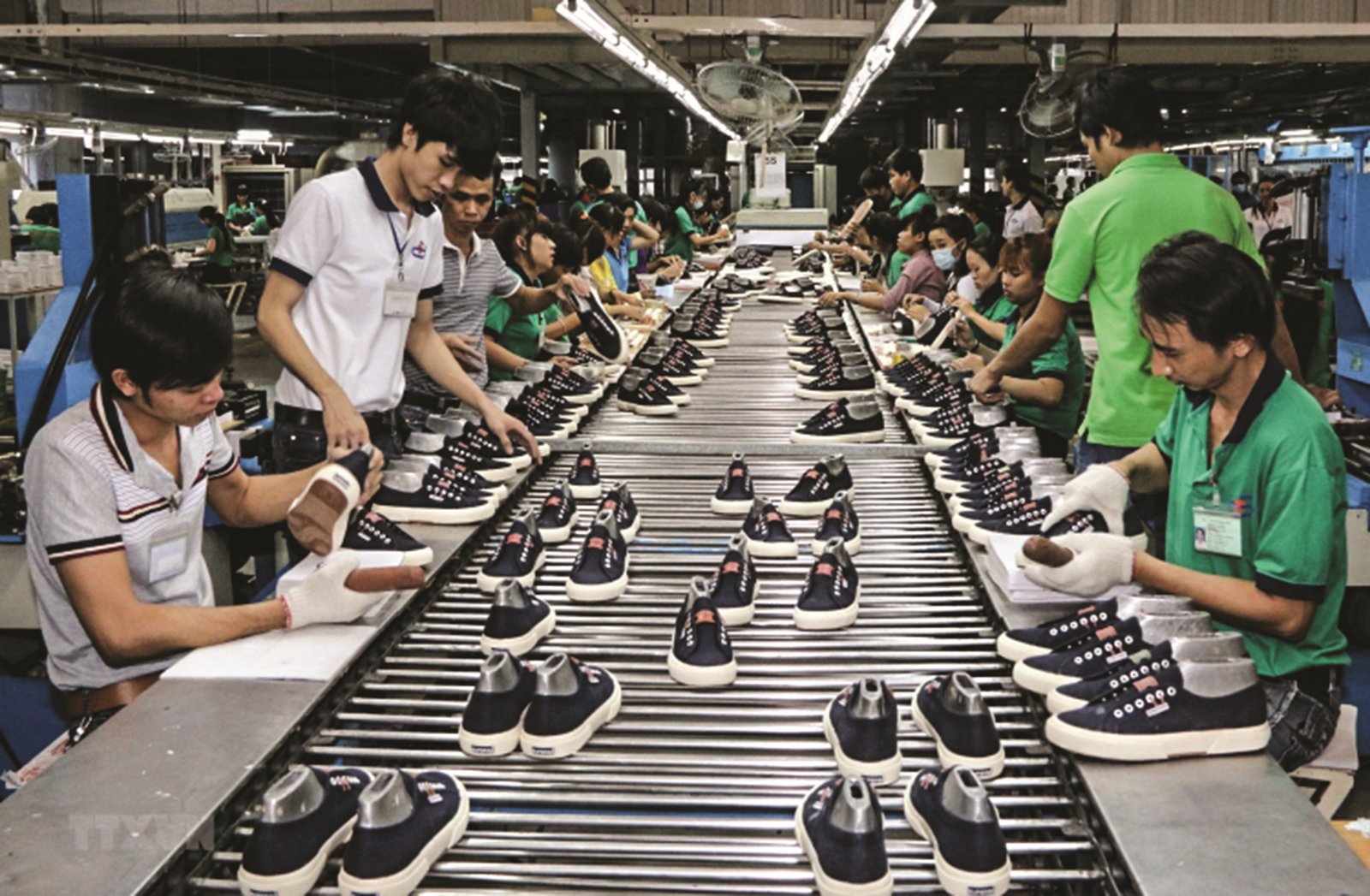
Finally, this tax incentive policy also creates opportunities to expand export markets for this industry. Products with good quality and competitive prices will easily win over demanding export markets. This will help footwear manufacturing businesses explore new markets, increase sales, and enhance their position in the industry.
In summary, the tax incentive policy for industrial support products in the footwear industry provides numerous opportunities for its development. Thanks to this policy, the Vietnamese footwear manufacturing industry can overcome challenges, make significant breakthroughs, and contribute positively to the country's economic development.
4. Conclusion
The tax incentive policy for imported industrial support products in the footwear industry will play a crucial role in driving the sector's development. Vietnamese businesses have the opportunity to access high-quality raw materials, innovate in technology, and enhance their competitiveness.
This is the moment for businesses to maximize these opportunities, boost production, foster industry linkages, develop their brands, and expand into new markets. Only by developing the support industry can the Vietnamese footwear industry truly break through and compete on a global scale.
However, there are still challenges faced by businesses, particularly related to product codes eligible for tax incentives when submitting applications to the Ministry of Industry and Trade. Many businesses also struggle with determining whether they meet the requirements for preferential corporate income tax. If you need advice, you can contact Tax Tam Viet's experts.
We are confident in our many years of experience in successfully helping dozens of Vietnamese and international businesses, including those from Japan, South Korea, Taiwan, China, enjoy tax incentives and receive tax refunds in the shortest time. 100% of our customers are satisfied with Tax Tam Viet's services and are ready to recommend us to other partners.
Contact our business care and consulting hotline: 0911.95.8838
Tax Tam Viet - accompanying businesses!